Short answer
Handovers are easiest for children when they're short and happen the same way every time. Agree a set time and place (school pickup often works best, because the parents don't need to meet) and pack the bag the night before. At the door, pass on a quick word about how the children are and save anything bigger for a message later. If a child is upset, keep the goodbye calm and short, and tell them when they'll see you next.
Why handovers matter to children
A handover is the moment children move from one home to the other. In the US it's often called a custody exchange. For the adults it can be a two-minute job on a busy Friday, but for the children it's where one stay ends and the next begins, and they notice how their parents speak to each other.
How their parents get on matters more than the bag. Research led by Professor Gordon Harold, summarised by UK Research and Innovation in 2024, found that conflict between parents that is frequent and poorly resolved, "even at a low level", can affect children's mental health and how they do at school. The effect showed up whether or not the parents lived together. The boys' mum and I mostly talk on WhatsApp, so handovers are where the boys see how their parents get on.
Children have said much the same in their own words. The Family Justice Young People's Board, a group of children and young people who have been through the family courts, wrote a set of top tips for parents who are separated. Several of them could have been written about handovers.

Where to hand over: school, the door or a neutral place
Handovers usually happen in one of three places, and each suits some families better than others.
- School or nursery. One parent drops the children off in the morning and the other collects them after school. The parents don't need to meet, and the children's day starts or ends as normal. The catch is that the bags and kit have to go into school with them, and it only works on school days.
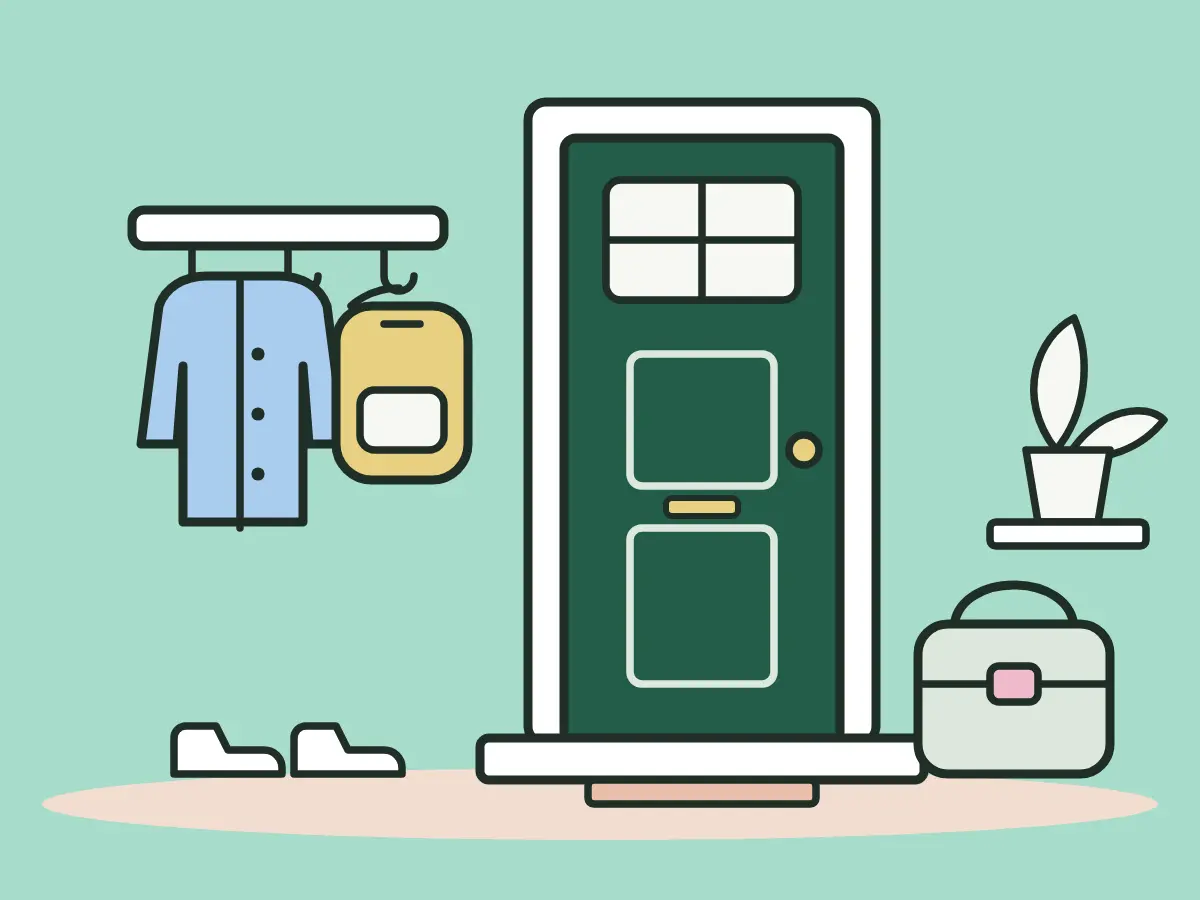
- The front door. Bags go straight inside and you can have a quick word face to face. It works well when you get on, and when things are raw you can keep it brief and on the doorstep.
- A neutral place. This means somewhere public that isn't either home, such as a car park or a café. Some child contact centres also run handovers so the parents don't have to meet at all (see if handovers are tense or unsafe).

You don't have to pick one for good. When the boys' mum and I first separated, we handed over at each other's door or through school, and the boys mostly took it in their stride. These days a lot of our handovers happen at school pickup, and at drop-off the boys just run in.
Keep the same times
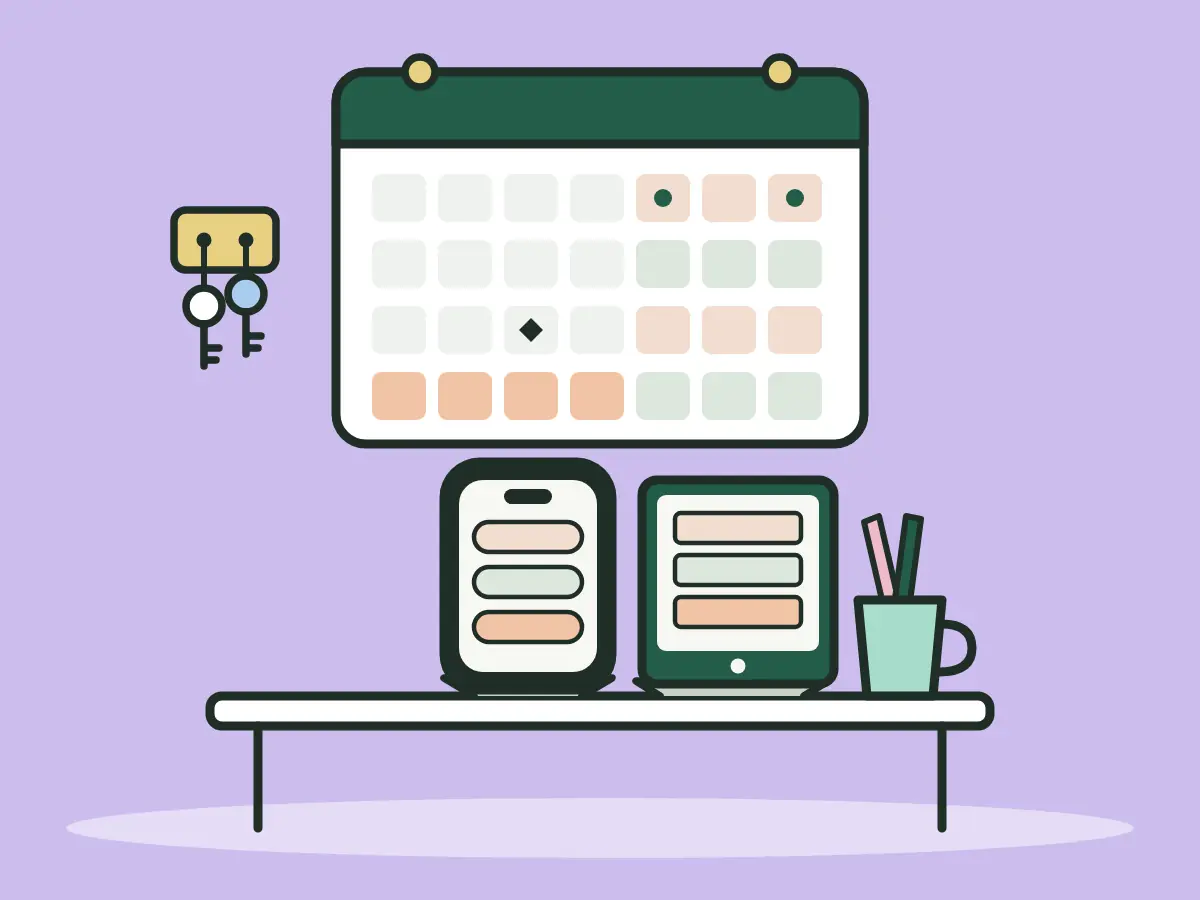
Two things helped our handovers more than anything else: the same times every time, and being friendly with each other so the boys could see their parents get on. We have the boys every other weekend, from Friday after school to Sunday afternoon, and the handovers fall at the same points each fortnight. When the times don't change, children know when they're going and when they're coming back, so a handover doesn't come as a surprise.
A fixed pattern also makes it easier to see when one part of it has stopped working. For the first three or four years we also had a Thursday overnight in the in-between week. Once we lived an hour apart, that meant an hour's drive each way on a school night. As the boys got older it tired them out, so we dropped it. If one handover in your week keeps going badly, look at the timing before you look at anything else. My guide to the every other weekend schedule has more on how ours runs.
Write the times and the place down.
Cafcass, the service that represents children in family court cases in England, has guidance on writing an Our Child's Plan (it used to be called a parenting plan). It suggests the plan could include "how they will travel between each parent's house". A line saying when and where each handover happens is a good first entry.
When a handover has to move, agree it with the other parent first, then tell the children, so they aren't caught out at the door.
What to pack
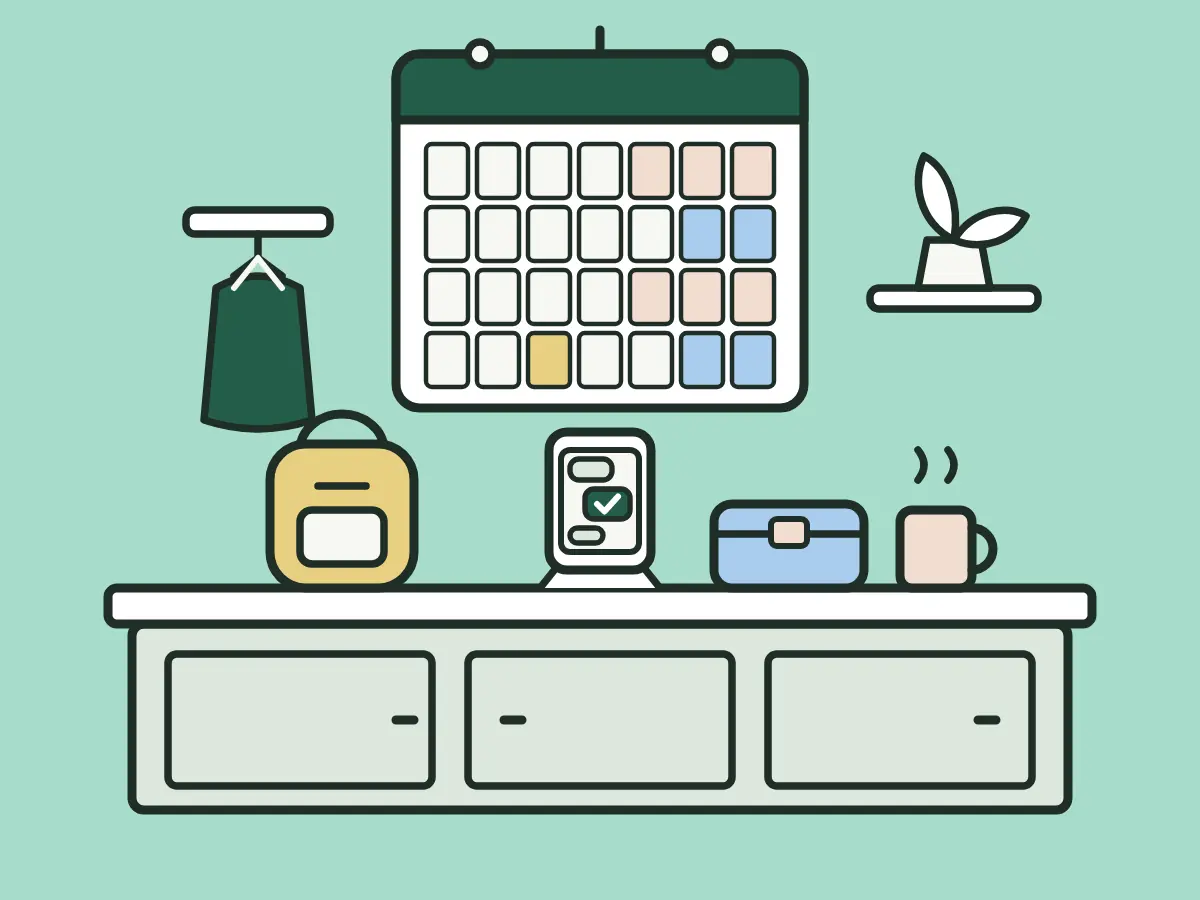
For us, most of what travels is school things, mainly the school bag and uniform along with PE kit and homework. Phones and tablets go back and forth with their chargers, and so do medicine and care items. Something still gets left behind now and then, and it's usually a charger or a bit of school kit.
The young people on the Family Justice Young People's Board asked parents to "make it easy for me to take the things I need" when they go to the other home, and to let them choose some of it themselves. That's a good test for a packing list. Children shouldn't have to argue for their own things at the door.

The fewer things that travel, the fewer get forgotten. If each home has its own toothbrush and pyjamas, and ideally a spare charger, the bag only needs to carry what really has to move. The "easier kept in each home" side is a suggestion to adapt, because what can stay depends on what each home has room and budget for.
Pack the night before, and check the school timetable.
School kit is one of the things that goes missing in our homes. Look at what's on the next school day (PE or a school trip, say) before you pack, then leave the bag by the door so nobody's searching for it at pickup.
To make the packing easier, I've made a free one-page handover packing list you can print. It has a tick column for each home and space at the bottom for the notes you want to pass on.

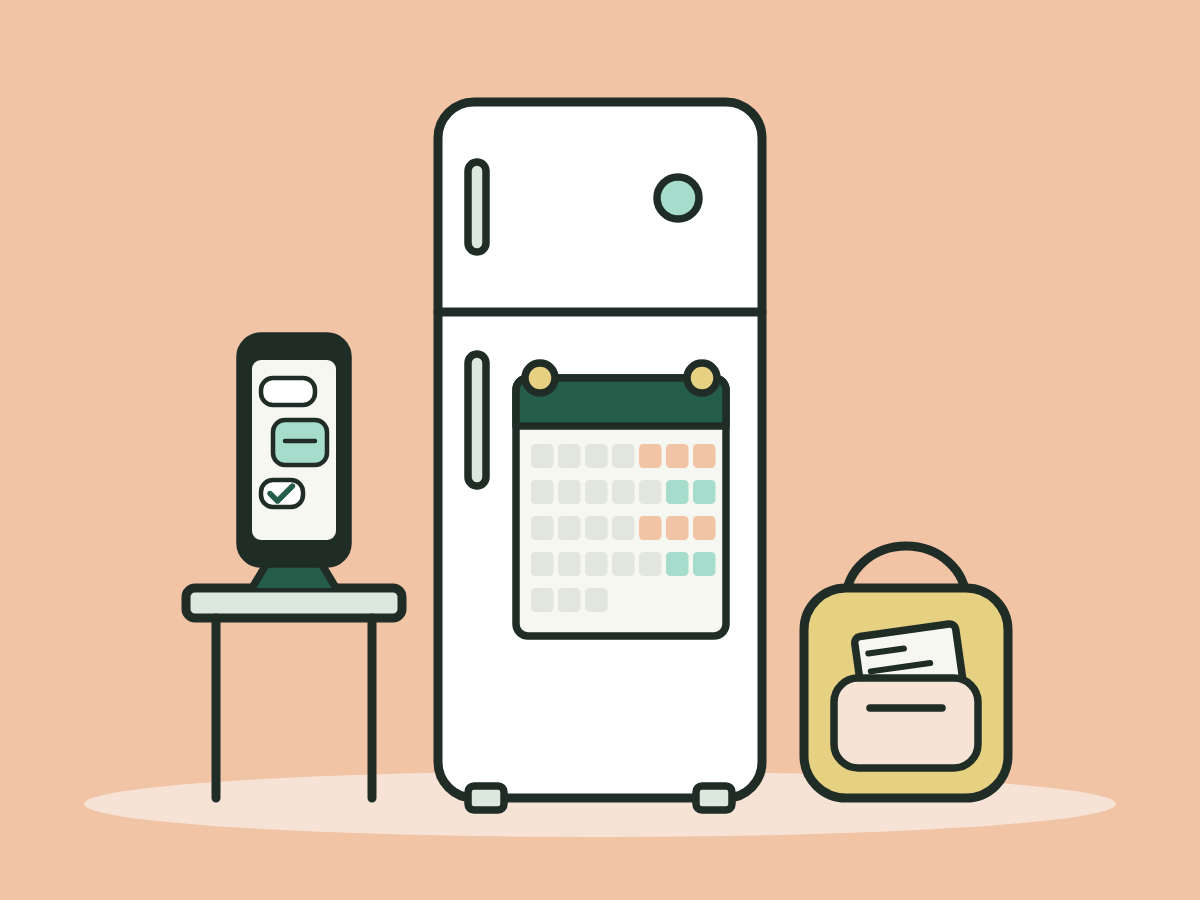
If you'd rather keep it on your phone, Two Front Doors puts each handover on the shared calendar with its time and place. The home sending the children fills in Coming with them and taps All packed, so the other home can see the bag is ready.
Keep it short and calm
A good handover takes a few minutes. Ours have always been relaxed, and there's nothing in particular we steer clear of when we see each other. Being friendly with each other at the door is the other half of what helped us.

If you don't get on yet, you can still keep the handover calm by keeping it small. Keep it to the bag and anything the other parent needs to know today. Money and old arguments can wait for a message later, when the children aren't there. The young people's board put it plainly: "Don't use me as a messenger". So don't send a note in the school bag that you wouldn't say to the other parent's face.
The NSPCC's advice on helping children through separation makes the same point from the other side: avoid blame, and don't share any negative feelings the adults have about each other. Children pick up more at the door than you think.
Two things helped our handovers more than anything else: the same times every time, and being friendly with each other so the boys could see their parents get on.
George Pritchard
Passing on how a child is
The most useful thing you can hand over, after the bag, is a quick word about how the children are. If a child slept badly or fell out with a friend, the next home needs to know before bedtime.

One of my boys has additional needs, and routine matters even more for him. At handovers we pass on how he is with a quick word about how he slept and what sort of day he's had. His care items always go with him: whatever else gets left behind, those go every time.
The Family Justice Young People's Board asked parents to keep the other parent "updated about my needs", and the NSPCC recommends keeping up routines such as mealtimes and bedtimes. A thirty-second update at the door is how every home keeps the same routine going.
When a child is upset at handover
As I said, my boys mostly took handovers in their stride, so this section, and the graphic in it, comes from published advice rather than my own experience. Some children cry at the door or say they don't want to go, which is hard to watch. Try not to decide what it means in the moment, because there's time to work that out with the other parent afterwards.

The NSPCC suggests letting children know "it's OK to be sad, confused or angry", and that's a good place to start. Name the feeling and give them a hug. Tell them when you'll see them next ("I'll pick you up from school on Friday"), then let the other parent take over. A long goodbye at the door usually makes it harder for everyone, and so does your own upset showing.
Afterwards, talk to the other parent about it, away from the children. Does it happen every time, or only after a certain day? Is the child tired, or worried about something at school? A small change to the timing or the place may be enough. If a child keeps saying they don't want to go, listen to why, and work it out between the adults.
Think of the children. Whatever is going on between the adults, they're watching how you treat each other at that door.
George Pritchard
If handovers are tense or unsafe
Not every family can manage a friendly word at the door, and you don't have to. If seeing each other leads to arguments, change where the handover happens so you meet less, or not at all.
- Use school or nursery. One of you drops off and the other collects, so you never need to be in the same place.
- Meet somewhere public. Pick a busy car park or café and a set time, and have the bag ready to pass over.
- Use a child contact centre. The National Association of Child Contact Centres (NACCC) oversees around 300 centres across the UK. Most of them offer a handover service, a drop-off and pick-up point where the parents don't have to meet. Supported centres are for families where the risk is low, such as when communication has broken down. Where the risk is high, supervised contact takes place with staff within sight and sound of the child. Many centres accept self-referrals, though NACCC says both parents need to agree for one to go ahead without a court order. You can search for a centre by town or postcode.
If you're worried about your safety or a child's
You don't have to manage it alone. The National Domestic Abuse Helpline, run by Refuge, is free and open 24 hours a day on 0808 2000 247, and you can find out more at nationaldahelpline.org.uk. In an emergency, call 999.
If the problem is that you can't agree on handovers at all, mediation is usually the next step, and GOV.UK's guide to making child arrangements if you divorce or separate explains how it works. When contact between the two of you needs to stay to a minimum, my guide to parallel parenting and co-parenting may help.
What I'd say to a parent dreading the next one
Think of the children. Whatever is going on between the adults, they're watching how you treat each other at that door.
Then make the handover as boring as you can. Keep the same time and place, and have the bag packed before you leave the house. The difficult conversations can wait for a message later. For more on keeping the wider arrangement steady, see what co-parenting means day to day, and if you're planning around half terms and summer, the guide to school holidays for separated parents covers the longer handovers.
Handover questions
Where is the best place for a handover?
For school-age children, school or nursery is often easiest: one parent drops off and the other collects, so the parents don't need to meet and the children's day runs as normal. At weekends and in the holidays, the front door works when you get on. If handovers are tense, use a public place or a child contact centre.
How long should a handover take?
A few minutes: long enough to hand over the bag and pass on anything the other parent needs to know today. Longer conversations about arrangements are better by message or phone, when the children aren't listening.
What should children take between homes?
Mostly school things, such as the school bag and uniform, PE kit and homework. Phones or tablets travel with their chargers, and medicine or care items go every time. If each home keeps its own toothbrushes and pyjamas, there's less to pack and less to forget.
What if my child doesn't want to go at handover?
Stay calm and keep the goodbye short, with a clear word about when you'll see them next. It helps to tell them it's OK to feel sad. Afterwards, talk to the other parent about it away from the children and look for a pattern. If you're ever worried about your safety or a child's, call the National Domestic Abuse Helpline on 0808 2000 247, or 999 in an emergency.
Can a child contact centre do handovers?
Yes. Most centres in the National Association of Child Contact Centres offer a handover service, a drop-off and pick-up point where the parents don't have to meet. You can search for one near you on the NACCC website.
Is a handover the same as a custody exchange?
Yes. UK parents usually say handover or changeover, and in the US it's often called a custody exchange. Both mean the point where children move from one parent's care to the other's.
Sources
- UK Research and Innovation (ESRC), Improving outcomes for children by reducing arguments at home (1 November 2024)
- Family Justice Young People's Board, Top tips for parents who are separated (Cafcass Cymru, published 21 August 2018)
- Cafcass, How an 'Our Child's Plan' (formerly 'Parenting Plan') can help
- NSPCC, Separation and divorce
- National Association of Child Contact Centres, home page
- National Association of Child Contact Centres, Separated? Need a child contact centre? Find your local centre through NACCC's improved web search (17 June 2016, updated 17 January 2022)
- National Association of Child Contact Centres, What is the difference between supported family time and supervised family time?
- National Association of Child Contact Centres, FAQ Non Resident Parents
- National Association of Child Contact Centres, Find a centre
- Refuge, National Domestic Abuse Helpline
- GOV.UK, Making child arrangements if you divorce or separate